

How Australia's Fashion Scene is Embracing Sustainable Baby and Kids Clothes
Current Trends
Rise of Eco-Friendly Materials
As a design-savvy father in Sydney, I've noticed an inspiring shift towards eco-friendly materials in children's clothing. This trend resonates deeply with our community-focused discussions about sustainability. It's incredibly rewarding to see how more parents are prioritizing environmentally conscious choices, mirroring initiatives we've admired at the creative hub at Carriageworks. You might wonder what materials stand out: primarily organic cotton, bamboo, and recycled fibres. These options not only reduce environmental footprints but also offer unrivaled comfort for the little ones.
Popular Designs for Kids
Turning our attention to popular designs, it's clear that vibrant patterns and playful motifs are here to stay. Whether you're looking at eclectic designs for boys clothes or charming prints on a onesie, the focus remains on combining style with practicality. If you're taking a stroll through the artisanal shops in Surry Hills, you'll notice how local designers incorporate unique elements that balance aesthetics with functionality.
Local Labels Making Waves
In supporting local talent, certain labels in Australia have started to capture the spotlight. They're championing sustainability by offering impressive collections, such as organic boys swimwear, while showing a commitment to eco-friendly practices. Connecting with these brands not only supports the local economy but also reinforces a broader cultural appreciation for thoughtful design initiatives. So, as you navigate these choices, feel empowered knowing your investment extends beyond just clothing, becoming a stride towards a more balanced and conscious lifestyle.
Benefits of Sustainable Clothing
Environmental Impact
As a design-savvy father based in Sydney, I'm constantly seeking environmentally friendly options for my children's wardrobes. Choosing sustainable clothing for your little ones makes a significant impact on our planet. Eco-friendly materials used in making kids pyjamas, for instance, help reduce waste and conserve resources. By opting for brands that emphasise sustainability, parents contribute to a cleaner environment, a topic frequently explored in design forums during family-friendly events at Centennial Parklands.
Comfort and Safety for Kids
Our children's comfort and safety should always be a priority. Sustainable clothing often utilises natural, breathable fabrics that fit snugly, while avoiding harmful chemicals often found in conventional textiles. Imagine your child running freely at the creative hub at Carriageworks, clad in a skort that offers both freedom of movement and ease of wear. These well-considered designs ensure your child's playtime is both enjoyable and worry-free.
Long-Term Durability
When investing in sustainable baby clothes, parents are assured of longevity. These garments are crafted thoughtfully, focusing on durability to withstand the active playtimes typical of childhood. It is reassuring to know that such clothing retains its quality wash after wash, making it a cost-effective choice for growing families. As a resourceful parent, these durable options resonate well with my goal-oriented approach to sustainable parenting practices.
Challenges in Adoption
Sourcing Sustainable Fabrics
Navigating the world of sustainable fabrics can sometimes feel daunting, especially when you're on the hunt for eco-friendly options like bamboo or organic cotton. My journey often involves browsing through artisanal shops in Surry Hills, scouring for unique textiles that meet eco-standards. Whether you're on the lookout for everyday leggings or whimsical kids clothes, finding materials that are both stylish and sustainable requires patience and keen attention to detail. The key is to seek out trusted brands that have a transparent sourcing process and can trace their materials back to ethical origins.
Consumer Awareness Levels
Raising awareness about sustainable children's clothing is essential. Despite a growing focus on environmental conservation, many parents still lack the necessary information to make informed decisions. This gap means we need to prioritise educational resources that spotlight eco-conscious brands. Sharing insights into the benefits of sustainable textiles at community events or with friends at family-friendly gatherings in Centennial Parklands can make a significant impact in boosting awareness and understanding.
Balancing Style and Sustainability
It's a constant challenge to blend eco-friendly materials with appealing designs that kids love. Often, the focus may lean towards functionality, leaving little room for creativity. To maintain a balance, we need to support designers who innovate in this space, offering garments that are visually appealing without compromising on environmental values. By prioritising pieces that align with both your aesthetics and sustainability goals, you can encourage more parents to make eco-friendly choices without sacrificing style.
Best Practices for Parents
Tips for Choosing Products
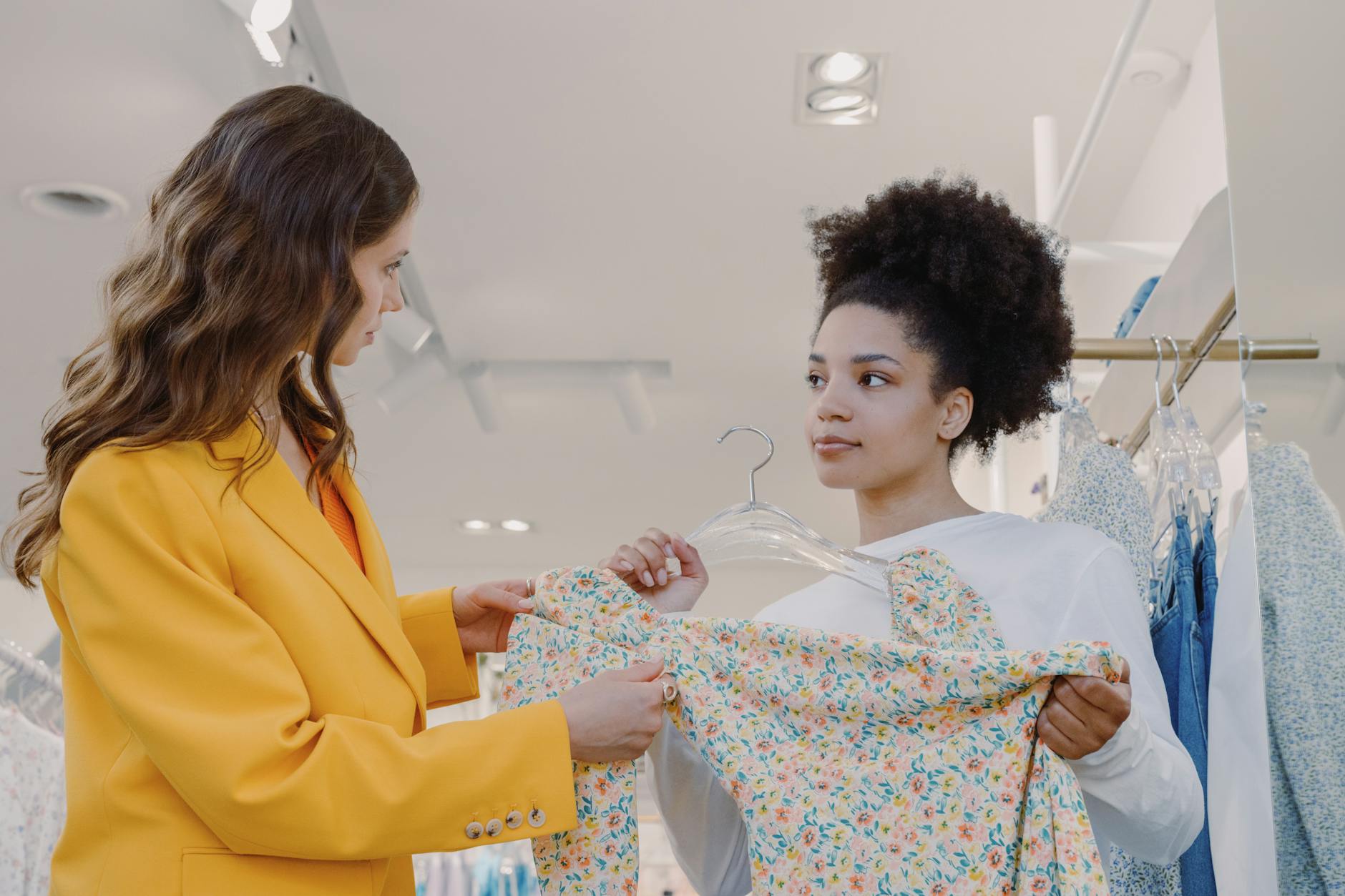
When you're on the hunt for kids' clothes, especially if your focus is on eco-friendly options, there are a few essentials to keep in mind. First off, always look for trusted labels that prioritize organic and sustainable materials. These products are not only better for the planet but also safer for your little ones. Your journey might take you to interesting corners of your local creative scene—much like exploring the artisanal shops in Surry Hills in search for that perfect baby jumper.
Caring for Sustainable Clothes
Caring for your children's clothing effectively ensures longevity, making it possible to hand them down to siblings, friends, or future adventures. Washing in cold water, using eco-friendly detergents, and air drying are all simple steps that help preserve the integrity of fabrics. By implementing these habits, you'll contribute to a more sustainable lifestyle while keeping vibrant kids activewear ready for all those family-friendly events at Centennial Parklands.
Engaging Kids in Sustainable Fashion
Teaching your kids about sustainable fashion can be a collaborative adventure. Involve them in clothing choices by discussing the benefits of eco-friendly options. This not only fosters an environmentally conscious mindset from a young age but can also turn shopping trips into a fun, creative effort where they learn about the value of their selections. Encouraging them to mix and match or even choose outfits based on their mood can instill a sense of pride and resourcefulness in their clothing habits.
Key Takeaways for Parents
Tips for Selecting Sustainable Clothing
When you're browsing the charming boutiques in Surry Hills or taking a stroll through the design-focused exhibitions at Carriageworks, make sure to scrutinise labels for keywords like "organic" and "recycled". Discovering the right onesies for newborns is a bit like treasure hunting. Look for certifications like GOTS or Oeko-Tex, as these ensure no nasties like harmful dyes are used. Whenever possible, opt for garments that use bamboo or organic cotton, which are both eco-friendly and soft on delicate baby skin.
Caring for Eco-Friendly Garments
To extend the life of your little one’s wardrobe, gentle care is crucial. Wash clothing in cold water and favour eco-conscious detergents, a delightful find from your local co-op shop. Drying them in the fresh Sydney breeze rather than tossing them into the dryer keeps them looking vibrant and saves energy at the same time. Remember that repair is better than replace, so patch up those small tears or loose buttons instead of rushing to buy new.
Involve Kids in Sustainable Choices
It's never too early to introduce your kids to the world of sustainable fashion. Transform your weekend family outing at Centennial Parklands into a mini fashion show featuring their favourite items. For those with a creative flair, involve your kiddos in upcycling projects, turning last season's baby jumpers into something new. This nurtures their creativity while growing their awareness of eco-friendly practices.
Sustainability is no longer a luxury but a necessity. With a pinch of creativity, a dash of awareness, and a sprinkle of the vibrant community spirit, we can make better choices for our children and the planet.